
SAKE TOPICS

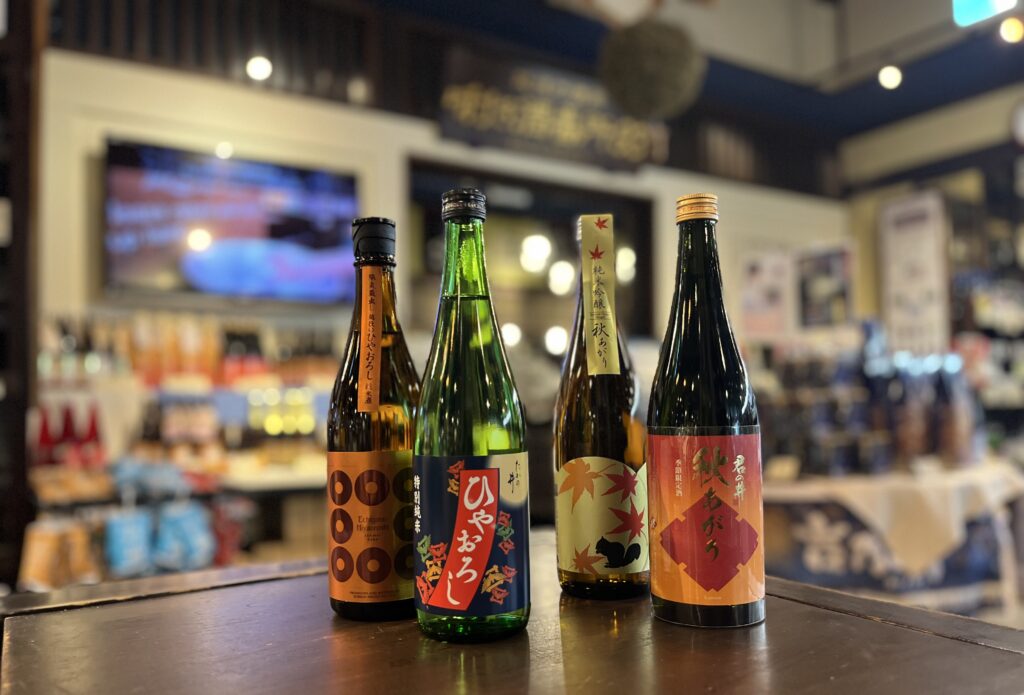
The aesthetics of aging: "Hiyaoroshi" and "Akiagari"
Autumn has arrived, bringing with it a pleasant breeze on the skin and a sense of relief.
Around this time of year, you start to see products labeled "hiyaoroshi" and "akiagari" on the shelves of sake stores and supermarkets, as well as on the sake menus of izakayas (Japanese pubs).
For sake enthusiasts, this limited-edition sake truly embodies the arrival of autumn, and even those unfamiliar with sake will find the terms "Akiagari" and "Hiyaoroshi" intriguing.
Both are seasonal Japanese sakes that represent autumn, but what are the meanings and history behind those names...?
Let's explore the charm and ways to enjoy autumn sake, which has mellowed and transformed after spending a quiet summer in the brewery.
What is “Hiya-Goshi”?
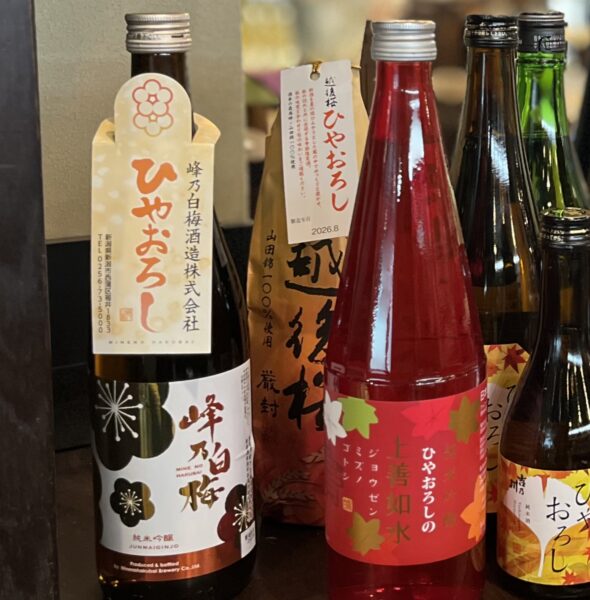
From left to right: "Minenohakubai Hiyaoroshi" (Mineno Hakubai Shuzo Co.,Ltd.), "Echigozakura Junmai Ginjo Genshu Hiyaoroshi" (Echigozakura Sake Brewery Co.,Ltd.), "Hiyaoroshi no Jouzen Mizunogotoshi" (Shirataki Sake Brewery Co.,Ltd.), and "Yoshinogawa Hiyaoroshi Junmai" (Yoshinogawa).
The history of "hiyaoroshi" dates back to the Edo period.
The new sake brewed in early spring undergoes a first heat treatment (pasteurization) to prevent the growth of unwanted bacteria, and is then stored. It then endures the harsh summer heat in a cool, dark space within the brewery, and in autumn, when the temperature difference between the outside and inside of the brewery has decreased, it is shipped without a second heat treatment (pasteurization).
Surprisingly, "hiya" means "room temperature," so the product came to be called "hiyaoroshi" (cold wholesale) because it was shipped (wholesaled) while still at room temperature.
Regular sake is prepared before storage and before shipment.2While most sake undergoes pasteurization, a key characteristic of Hiyaoroshi is that it is "unpasteurized sake that is not pasteurized before shipment."
About "autumn rise"
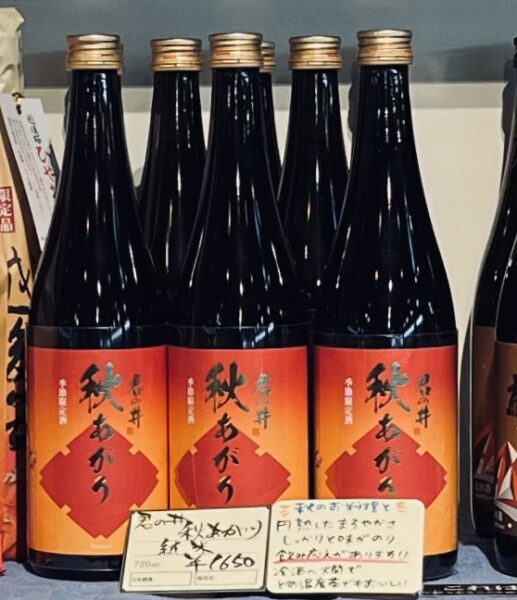 "Kiminoi Junmai Akiagari" |
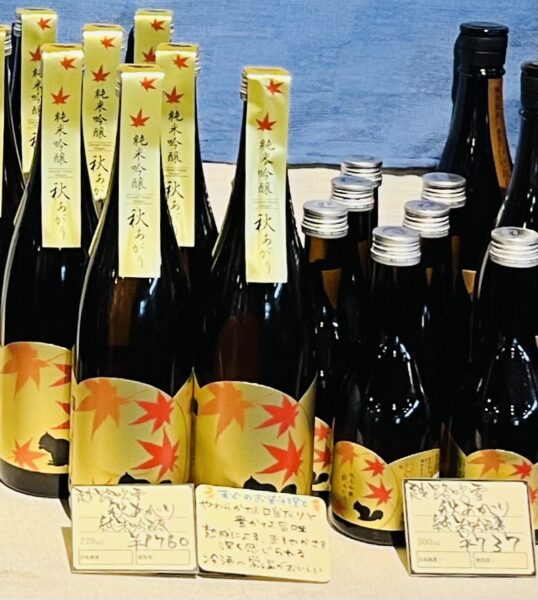 "Koshijifubuki Autumn-Aged Junmai Ginjoshu" |
On the other hand, the key difference is that "akiagari" does not refer to the manufacturing method or shipping system.
This term refers to the state in which sake brewed from winter to spring has matured during the summer, resulting in a significantly improved quality by autumn.
The term originates from brewing terminology used to praise the condition of sake, such as "This sake has matured nicely in the autumn." Conversely, if the aging process is unsuccessful and the taste deteriorates, it is called "akiochi" (autumn deterioration).
Currently, "Akiagari" is widely established as the name of a limited-edition autumn sake that has become more delicious through aging.
"Hiyaoroshi" refers to the brewing method, while "Akiagari" refers to the state of the sake.
Both terms are used almost synonymously to refer to "a limited-edition autumn sake that has matured over the summer," but knowing the difference in their origins might make choosing sake even more interesting.
Ask the pros: Trends in autumn sake
Known as a professional in the distribution of Niigata sake and a locally-based wholesaler.Niigata Prefecture Alcohol SalesWe inquired about the trends in autumn sake at the prefectural sake sales office.
— How many sake breweries are currently commercializing autumn sake?
Approximately within the prefecture50It's mainly handled by small breweries, and the trend in naming seems to be that "hiyaoroshi" is slightly more common than "akiagari."
— Are there any trends regarding the timing of releases?
They sometimes set up corners in supermarkets and other stores, and the trend of releasing products earlier than usual has been established for quite some time now. Currently, the earliest releases are...8It has been on the shelves since the beginning of the month, but the main item is9Mon ~11I think it's the moon.
—What are some ways to enjoy this sake, especially since it's been aged through the summer? What kind of food pairs well with it?
It's a classic combination, but I'd like to see it paired with autumn ingredients.
In the summer, there are many appetizer-style dishes with a tangy flavor, but in the fall, there is a gradual increase in dishes using more substantial ingredients and cooking methods.
Pacific saury is a classic choice. Squid is also in season and its rich innards pair well with the full-bodied flavor of chilled sake. Mushrooms are great not only grilled, but coating them in oil after grilling makes them an even better match for sake. I'd also recommend pairing them with edible chrysanthemums, a unique autumn delicacy from Niigata.
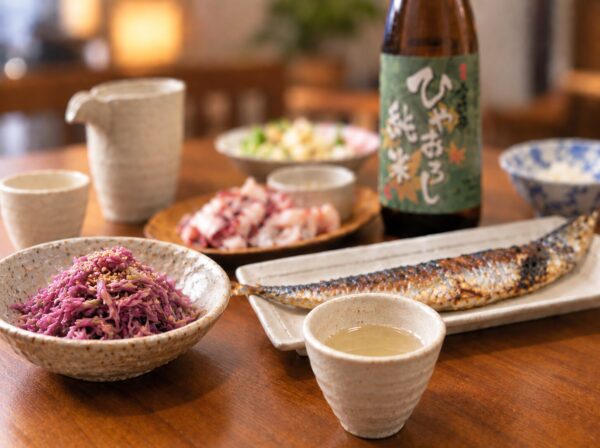
"Echigo Sekkobai Hiyaoroshi Junmai" (Hasegawa Shuzo Co., Ltd.). Served with Pacific saury and boiled oysters.
—Could you tell us about any recent trends or developments that you're particularly interested in this year?
Because the sales period for sakes like "hiyaoroshi" and "akiagari" is short, we've recently started seeing names that don't use the nuances of autumn-only products, such as "namazume" (unpasteurized). Even though the words are different, they are all sakes that allow you to enjoy the deliciousness of aging, so I hope you'll give them a try.
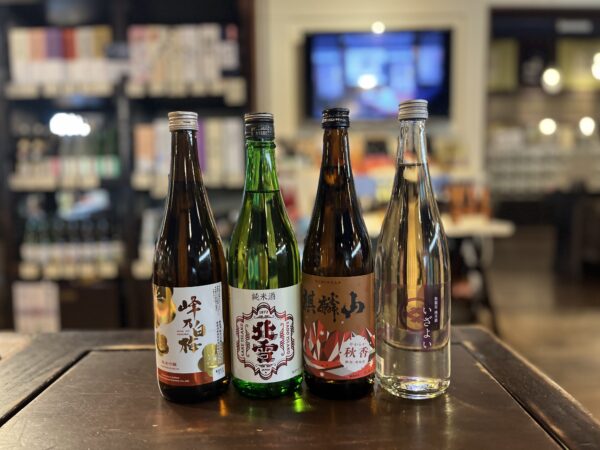
As a result of the trend towards autumn sake, an increasing number of products are being released without the terms "hiyaoroshi" or "akiagari" on their labels. From left to right: "Minenohakubai Junmai Ginjo Hiyaoroshi," "Hokusetsu Junmaishu Akiagari" (Hokusetsu Sake Brewery Co., Ltd.), "Kirinzan Yawarakai <Akika>" (Kirinzan Shuzo Co., Ltd.), and "Imayotsukasa Autumn Limited Junmaishu Izayoi" (Imayo Tsukasa Sake Brewery Co., Ltd.).
In anticipation of longer summers due to recent global warming, lightly sparkling autumn sake has appeared, as have canned autumn sakes designed for easy drinking.
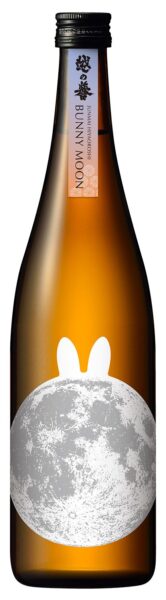 A sparkling autumn sake: "Koshinohomare Junmai Hiyaoroshi BUNNY MOON" (Hara Shuzo Co.,Ltd.) |
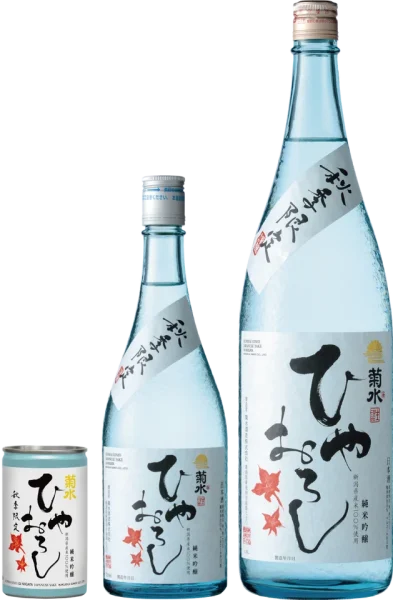 A new 180ml can of "Kikusui Junmai Ginjo Hiyaoroshi" (Kikusui Sake Co., Ltd.) is now available, making it easy to enjoy outdoors. |
Many sake stores and supermarkets have dedicated sections for autumn sake, so be sure to visit and check out the variety of autumn sake available.
Niigata flavors to pair with a variety of autumn sakes
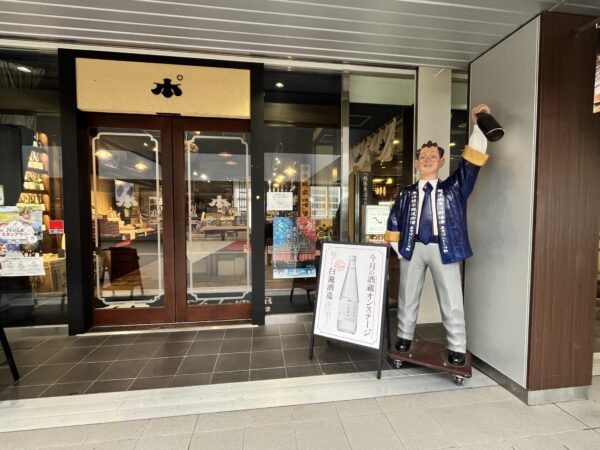
You can enjoy representative brands from all breweries in Niigata Prefecture using the sake tasting machine.Ponshukan Niigata EidenHowever, an autumn sake corner had been set up in front of the sake tasting station.
approx 20The store is filled with products whose names and designs evoke the feeling of autumn.
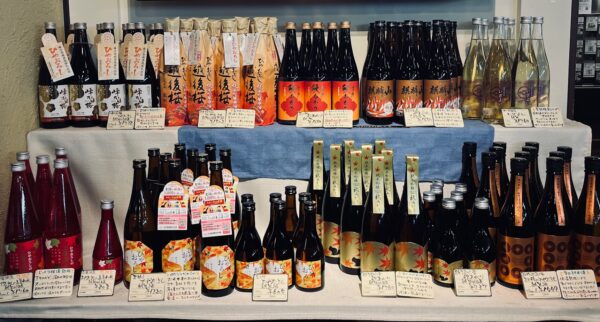
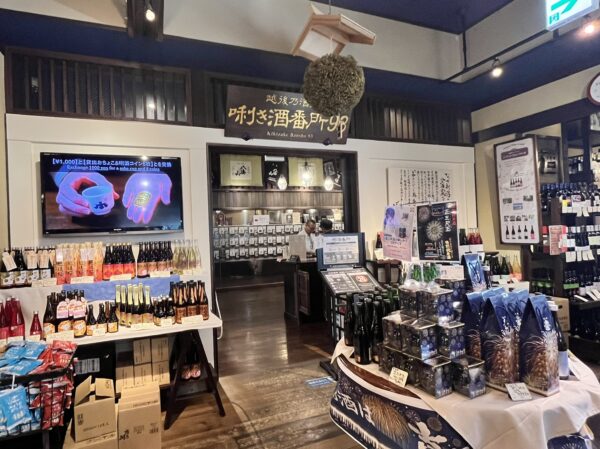
Each product comes with a handwritten comment from the staff, making it easy to understand the characteristics of each item and choose from—this is one of the charms of Ponshukan.
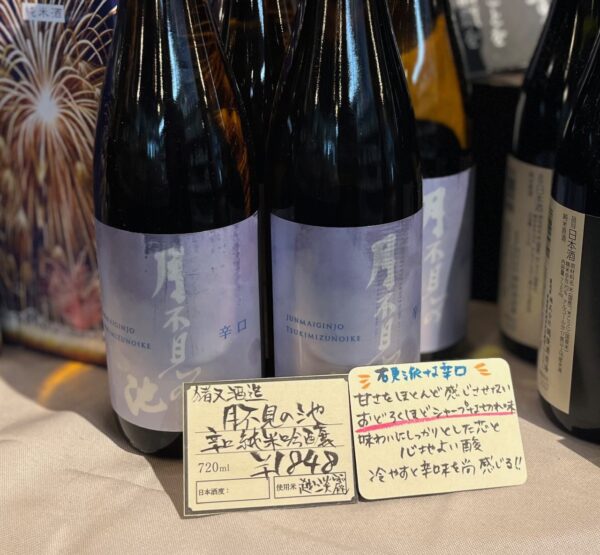
"Tsukimizunoike Junmai Ginjo Hiyaoroshi" (Inomata Sake Brewery Co.,Ltd.)
Just looking at it makes me feel the seasons, and thinking about what kind of dishes I can pair it with makes me excited.
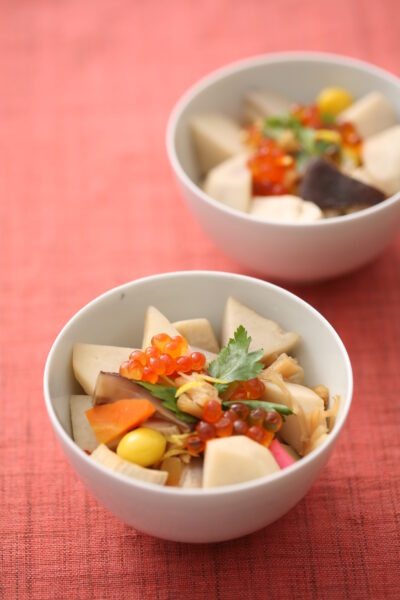
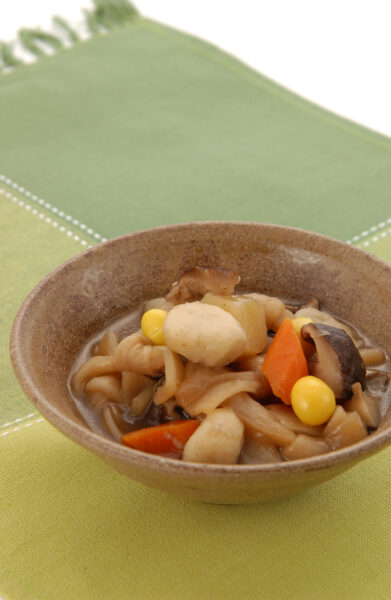
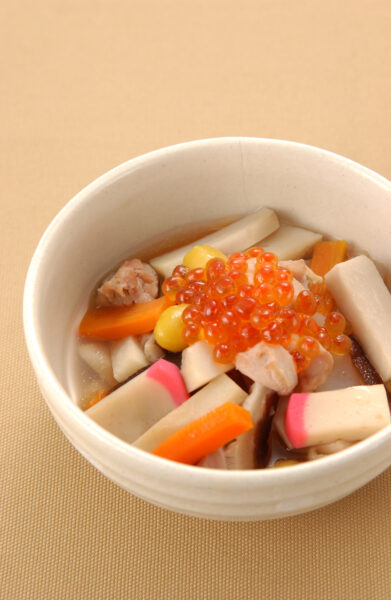
It's the season when delicious taro is harvested in various regions. Don't wait until New Year's Day to make "noppe" and enjoy the thick texture of the taro and the flavor of the broth with autumn sake. 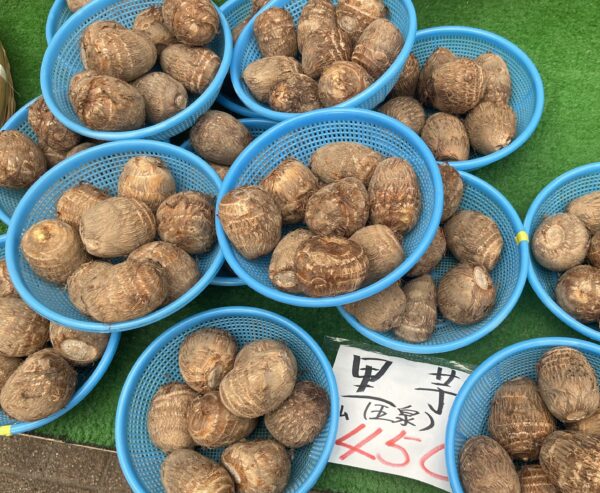
 |
 |
 |
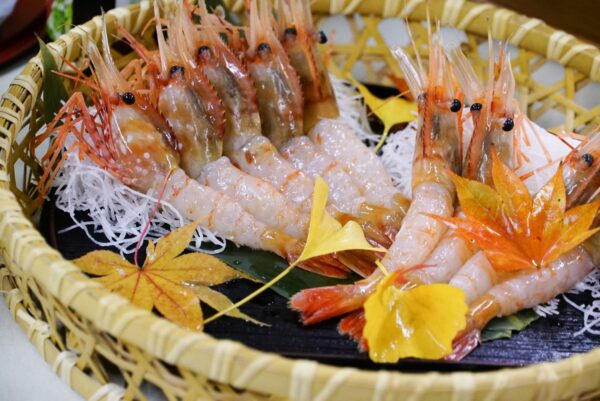
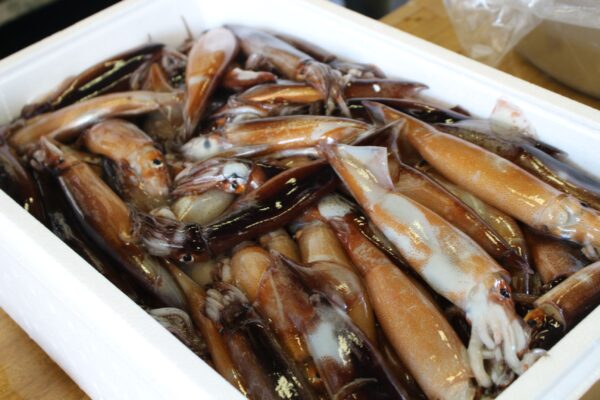
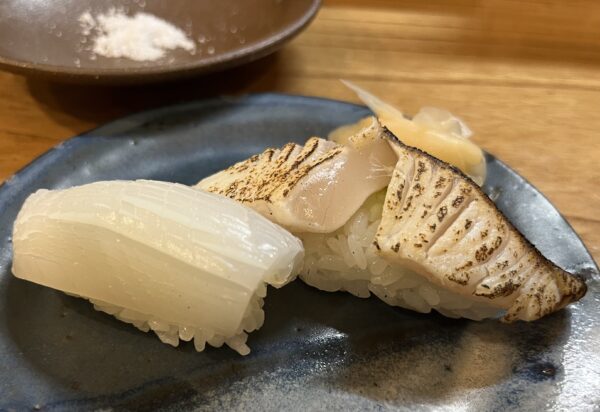
After the summer fishing ban ends, winter brings cooler water temperatures and is the perfect time to enjoy sweet shrimp. Spear squid is in season from autumn to winter, and white fish such as the "white-fleshed fatty tuna" blackthroat seaperch, which is in season from summer to autumn, are delicious as sashimi, but seared or grilled with salt would likely pair even better with autumn sake.
 |
 |
 |
Sardines, willow flounder, salmon roe, mackerel, red beard, monkfish liver, winter flounder, winter yellowtail, giant Pacific octopus, Pacific cod, whelk, red snow crab...
The countless types of seafood that are in season from autumn to winter in Niigata make the perfect accompaniment to the finest autumn sake.
It's fun to vary the temperature depending on the dish, or you can try comparing different alcoholic beverages at various temperatures before choosing a meal.
10~15 ℃Enjoy the refreshing taste when it's slightly chilled, and as you gradually return it to room temperature (chilled), the hidden umami of the rice and the rich aroma will suddenly open up.
Furthermore, as autumn deepens...40 ℃By warming the sake slightly before and after sipping, you can experience the gentle, enveloping warmth that is characteristic of aged sake. Give it a try.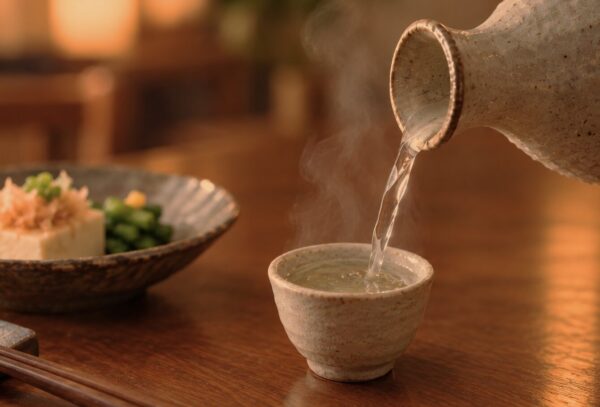
A tasting competition showcasing aging techniques.
What symbolizes how delicious autumn-limited sake is, and how important the aging technique is to sake production, is that every year10End of the month11The awards ceremony is held in the month ofKanto-Shinetsu Regional Taxation Bureau Alcoholic Beverage AppraisalThe existence of "
At the sake tasting competitions held by each regional tax office across the country, the sake brewers refer to them as "Kyoku" (局), and the "Kanshin Kyoku" (関信局) includes Niigata, as well as Ibaraki, Tochigi, Gunma, Saitama, and Nagano.6Selected sake from across the prefecture is submitted for judging, and the rich aroma brought out by aging, as well as the harmonious balance of smooth, mellow flavors, are rigorously evaluated. Aiming to win an award here, the brewers hone their skills in how to age new sake to perfection.
While the spring "National New Sake Appraisal" judges the quality of freshly pressed new sake, the autumn "Kyoku" appraises aged sake. In addition, the spring "National" appraiser awards prizes, from which a gold medal is awarded, while the autumn "Kyoku" appraises ginjo, junmai ginjo, and junmai sake.3The winners of the top prize and special awards in each category will be decided.
Sake breweries in Niigata Prefecture are also aiming for the top prize, the best1I am selling books.
Last year's96In this round, in the Ginjoshu section...Ofuku Sake Brewery Co., Ltd.(Nagaoka City) won in the Junmaishu category.Kiminoi Shuzo Co., Ltd.Myoko City won a special prize, but unfortunately, the top prize went to a sake brewery in another prefecture.
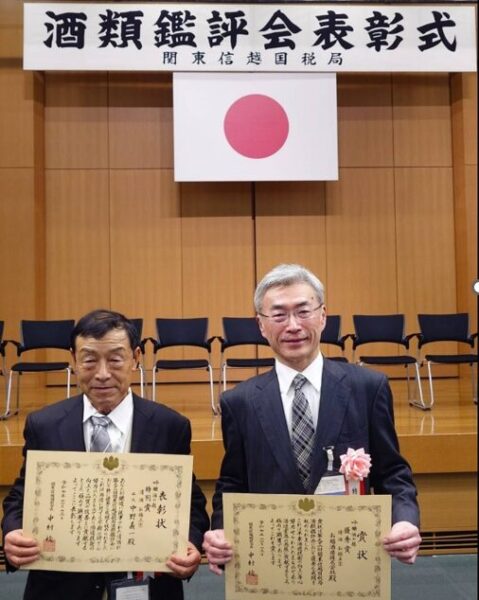 Nobuhiko Kishi (right), owner of Ofuku Sake Brewery Co., Ltd., and master brewer Yoshikazu Nakano, who received a special award. |
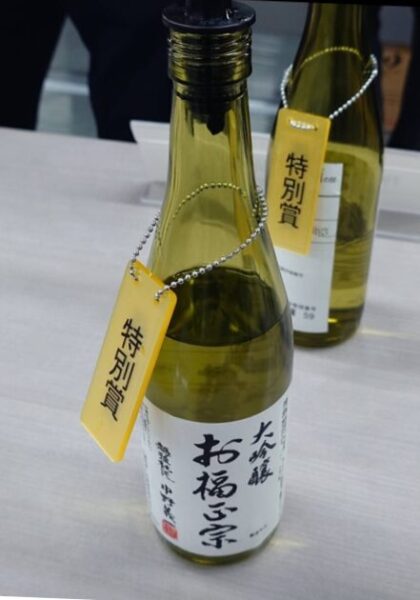 |
The first in 202697Times10Month29The awards ceremony will be held on [date]. Let's look forward to this year's results.
Fresh new sake, born in spring, ages through the tranquility of summer, maturing into a gentle and comforting flavor in autumn.——"Hiyaoroshi" and "Akiagari" are exquisite works of art woven from Japan's four seasons and the wisdom of sake brewing.
I want to choose the perfect bottle to accompany me on a long autumn night and savor the fleeting autumn of Niigata.
Interview cooperation: Niigata Prefecture Liquor Sales Filming assistance provided by: Ponshukan Niigata Station Store Photo credits: Ofuku Sake Brewery Co.,Ltd., Kikusui Sake Co.,Ltd., Hara Shuzo Co.,Ltd.
Neil
"CushuNotebook "" From NiigataR"Editor-in-chief
Mariko Takahashi
cushu.jp
n-hatsu-r.com


This article is also recommended
-

Promoting "Sakasuke," sake lees fermented with lactic acid bacteria, in the Tokyo metropolitan area.
Articles 2026.7.10 -

Niigata Sake no Jin 2026 Report
Events 2026.5.11 -

Niigata-style sake brewery tourism has begun!
Articles 2026.2.28 -
Celebrating Koshitanrei's 20th birthday!
Articles 2025.12.26 -
Breweries and fermentation
Articles 2025.10.31 -

School Festival and Professor Kinichiro Sakaguchi
Articles 2025.8.30
Most read columns
-
Daytime drinking in Honmachi and Furumachi shopping districts
Articles 2024.07.01 -
Introduction to Japanese sake like a game!
Articles 2022.08.31 -
Recommendation of Niigata Sake Trip <Itoigawa City Edition>
Articles 2021.11.30 -

Recommendations for Niigata Sake Trip <Sanjo City, Kamo City, Yahiko Village, Niigata City>
Articles 2021.05.26 -
Recommendation of Niigata Sake Trip <Murakami City / Shibata City Edition>
Articles 2022.05.02